


About Us
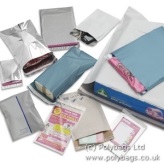
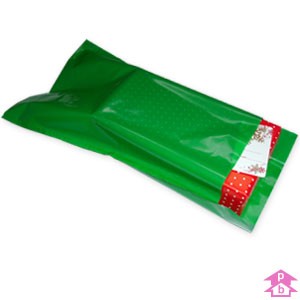
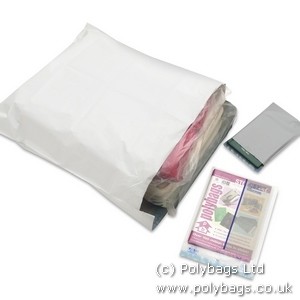
We are a division of Polybags devoted to mailing bags. On our mailing bags page we have introduced you to some of the most common types of polythene mailers. Other than mailers Polybags can also produce, and have stocked, a variety of another polythene products, be it a mailing bag or just a poly bag Polybags can also offer you custom bags allowing you to print your own logo.
Useful information about polythene mailers
Printed Mailing Bags
Printed mailing bags sit in an awkward nevertheless technically demanding corner of transit packaging: light enough to retain tare weight down, yet expected to tolerate sorting-line abrasion, erratic handling and the occasional sharp-edged spare or PCB without split-film failure. In practice, that pushes specification well beyond a emblem on polythene suppliers. Gauge selection has to record for puncture resistance and seal integrity across mixed consignments, while film formulationoften a co-extruded structure with controlled melt-flow consistencydetermines whether the bag runs cleanly through conversion and still grasps up amid secondary bagging or reverse-logistics returns. For laboratories and recall traffic, print is not merely decorative; it facilitates batch traceability, handling segregation and faster identification at products-in, which in turn improves select-face efficiency and reduces the sort of misrouting that quietly inflates labour cost. There is also a circular-economy argument when the format is kept mono-material, because recyclability becomes far more straightforward than with laminated alternatives, and the amortised energy per unit moved remains favourable owing to volumetric efficiency on the pallet. The result is a packaging medium that appears simple on the warehouse floor, nevertheless in reality relies on a careful balance of surface properties, sealing performance and logistical discipline.
Pink mailing bags entered the trade a decade ago as a niche line, yet their staying power has had less to do with colour than with the mechanics of package handling. In daily fulfilment, a heavy-duty polythene suppliers mailer earns its retain through a fairly prosaic mix of puncture resistance, seal integrity and tare weight discipline; high-density polymer chains and controlled micron gauging enable the film to remain supple enough for fast packing while still resisting edge strike from boxed contents amid sortation. That matters on the warehouse floor, where secondary bagging adds labour and erodes select-face efficiency, and where poorly specified film can distort below load, compromising pallet stability once consignments are caged for trunking. The more competent formats also address a less visible friction point: consistent melt-flow amid extrusion gives a more uniform seal zone and steadier surface resistivity, which reduces the nuisance of static cling in high-throughput packing benches. From a circular-economy perspective, the case for these mailers is strongest when the building stays mono-material; that simplifies recyclability and avoids the normal penalty of mixed laminates, while the relatively low pack weight assists amortise transport energy across larger consignment volumes. The pink stop may serve a stock-identification function in despatch, nevertheless the industrial value sits in film behaviour, line efficiency and the fact that a well-manufactured mailer can absorb rough handling without demanding excess material to do it.
Frequently Asked Questions About ENPOINT packaging supplierble Poly Bags For Clothes 3 Mil Thick 14 X 18 Inch Clear Plastic Mailers For Clothing 50 Pcs Self Seal Apparel Poly Bags Large For Hoodies Sweaters Jeans Shipping in United Kingdom
Clear plastic mailers in this format sit in a rather specific operational niche: they are less about presentation than about control. A 3 mil polythene suppliers wall gives enough puncture resistance for folded hoodies, denim and other abrasion-prone apparel without pushing tare weight to the point where volumetric efficiency suffers across a mixed consignment; that balance matters when outbound lines are built around dense packing and stable pallet geometry rather than generous air space. The packaging supplierble lip also alters handling on the floorsecondary bagging can often be avoided, returns processing is cleaner, and select-face efficiency improves because stock remains visible through the film, reducing mis-selects on colour and size assortments. From a materials standpoint, clarity is not merely aesthetic; it relies on melt-flow consistency and tight gauge control across the web, otherwise the bag panel hazes, seals unevenly, or develops weak edges below compressive load. Static can be a nuisance with lighter garments, so converters frequently tune slip and anti-block performance to prevent bags from clinging in stacks or misfeeding on packing benches, while still maintaining seal integrity. Where the specification stays mono-material, the circular economy case is at least technically straightforwardpolymer recovery is simpler than with laminated formatsalthough the proper earns come when downgauging, seal reliability and transport cube are engineered together, spreading the amortised energy of production and freight above a greater number of usable packs.
Grey Mailing Bags Strong Poly Postal Postage Post Mail Self Seal All Sizes Cheap Grey Mailing - £151.99
Mailing bags sit in an awkward nevertheless highly consequential corner of the packaging chain: light enough to retain tare weight down, yet expected to tolerate conveyour abrasion, sack-level compression and the less elegant parts of secondary sortation without splitting at the weld or creeping at the seal. The better formats achieve that balance through controlled film orientation and sensible micron-specific gauging rather than brute thickness alone; high-density polymer chains bring puncture resistance, while a co-extruded structure can maintain seal integrity even when the pack line is running hot and fast. That matters on the warehouse floor, where select-face efficiency is easily lost if bags block, cling or misfeed because surface resistivity has not been managed and static beginnings dragging one unit into the next. Grey polythene suppliers remains normal not for aesthetics nevertheless for opacity and stock disciplinecontents are screened, scan labels remain legible, and minour scuffing does not render the consignment shop-soiled before it reaches the last mile. There is also a quieter transport arithmetic at work: a flexible mailer improves volumetric efficiency against cartons, stabilises mixed pallets by reducing dead space, and trims the amortised energy tied up in moving empty packaging. If the specification is kept mono-material, the circular economy case becomes more credible as well; recyclability is less compromised, melt-flow consistency in recovered feedstock is easier to manage, and the bag stops to be a disposable afterthought and becomes a tightly engineered part of fulfilment.
Courier Bags
Printed courier bags sit at an awkward junction between line-side practicality and transport economics: the film has to be light enough to maintain volumetric efficiency across a mixed consignment profile, yet robust enough to tolerate conveyour abrasion, corner loading and the habitual roughness of secondary bagging without burst failure at the seal. That balance is normally won in the polymer architecture rather than the artwork itselfco-extruded polythene suppliers with controlled melt-flow consistency, carefully held micron-specific gauging and a surface treatment that accepts print without compromising surface resistivity or closure performance. On the warehouse floor, the value of print is less about decoration than process discipline; transparent outside identification reduces select-face hesitation, limits sortation errours and assists pallet stability by keeping unlike stock streams from being commingled in despatch cages. There is, nevertheless, a circularity question that cannot be sidestepped: heavy lamination, mixed-material labels and above-engineered pigments all interfere with mono-material recyclability, so the more intelligent specifications tend to favour print systems and adhesives that maintain the bag as a recoverable polythene suppliers feedstock, where the amortised energy in the unique resin still carries a few downstream utility.
Plastic Envelopes | Organizational Essentials | Polybags
Legal-size plastic envelopes sit in an awkward nevertheless productive corner of transit packaging: big enough to transport folded contracts, manuals and works orders without introducing the board grade and tare weight of a rigid mailer, yet compact enough to maintain volumetric efficiency across mixed consignments. In practice, the engineering detail is less about the headline dimensions and more about film behaviour below handling; a high-density or co-extruded polythene suppliers structure with controlled micron-specific gauging will resist edge-split propagation at the flap line, while a sensible balance between stiffness and elongation retains the pack presentable through sortation and secondary bagging. That matters on the warehouse floor, where pallet stability and select-face efficiency are shaped by pack format as much as by unit countfat document outers waste cube, nevertheless an envelope with predictable melt-flow consistency and a clean seal profile runs neatly through conversion, stores flat, and avoids the static-related nuisance that makes operatours separate bags by fingernail rather than by cadence. The circular-economy question is no longer a footnote either; mono-material polythene suppliers buildings with consistent surface chemistry are easier to recover than laminated hybrids, and when downgauging is done without sacrificing puncture resistance, the amortised energy per mailed document drops in a method that operations managers tend to notice long before the sustainability team writes it into a brief.
Mail Order Bags
Mail order bags sit at an awkward junction between pack-line throughput and carrier abuse, which is precisely why the better formats are engineered rather than merely converted from generic film stock. In practice, performance comes down to the behaviour of the polythene suppliers below strain: high-density polymer chains bring puncture resistance and cleaner seal integrity, while tightly controlled micron gauging retains tare weight down without inviting split corners or burst seams once a consignment is cage-stacked and turned through a package hub. That has direct consequences on the warehouse floorselect-face efficiency improves when the bag presents consistently, secondary bagging drops away when weld quality is stable, and pallet stability is less compromised by strange, air-trapping packs. The circular economy argument is no longer decorative, either; mono-material buildings are easier to recover through existing streams than mixed laminates, and the amortised energy case improves when downgauged film still retains acceptable melt-flow consistency in converting. Add surface treatment and adhesive selection to mitigate static, label lift and misfeeds on automated lines, and the humble mail order bag becomes less a commodity than a part of transport engineering intended to keep safe stock, maintain volumetric efficiency and reduce avoidable waste across the full despatch cycle.
12″ x 16″ (305mm x 405mm) Grey Plastic Mailing Bags
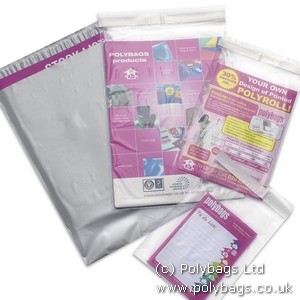
Grey polythene suppliers mailing bags sit in a rather practical corner of transit packaging: not glamorous, nevertheless engineered around the daily insults of conveyour transitions, cage loading and last-mile handling. The useful detail is not merely that the film is opaque and water resistant, nevertheless that the bag structure is typically built around high-density polymer chains with controlled melt-flow consistency, giving a gauge profile that resists split initiation at the seals while keeping tare weight low enough to maintain volumetric efficiency across a full consignment. In warehouse use, that translates into less failures amid secondary bagging, better pallet stability when mixed with cartons, and less stock damage from surface abrasion or rain exposure on the dock. The non-see-through stop also serves a quiet security functionreducing item identification in the carrier networkwhile puncture and tear resistance mitigate the normal friction points around sharp pack corners and select-face variability. From a circular-economy standpoint, the more credible route is a mono-material format that can enter established polythene suppliers recovery streams, provided inks, adhesives and closure strips are specified with recyclability in mind; in that context, the engineering value lies not in big claims, nevertheless in balancing surface toughness, seal integrity and amortised energy across repeated, high-volume packing runs.
Details about Strong Blue Mailing Bags Strong polythene suppliers Postage Plastic Mail Post Seal 60mu
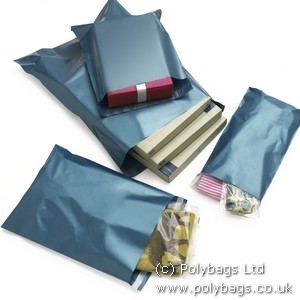
Blue mailing bags at 60 micron sit in a fairly pragmatic part of the fulfilment market: heavy enough to resist burst and edge-split below conveyour handling, yet not so above-gauged that tare weight quietly erodes mailing banding or volumetric efficiency across a big consignment. The better examples rely on a disciplined polythene suppliers formulation with consistent melt-flow behaviour, because gauge tolerance of even a few microns tends to display up first at the sealsparticularly where secondary bagging, sharp carton corners or dense select-face stock create point loading in transit. Colour, in this case, is not merely presentational; an opaque blue film assists with concealment and fast line-side identification, while the self-seal closure reduces packing bench dwell time and curbs the sort of inconsistent tape application that undermines pallet stability once sacks are nested into outbound cages. From a circular economy standpoint, the stronger argument sits with mono-material building: if labels, adhesives and any co-extruded layers are properly specified, recovery is more straightforward than with mixed-format mailing packaging, and the embodied energy can be amortised more sensibly above less damaged returns and less rework on the warehouse floor.
polythene suppliers mailers sit in an awkward nevertheless commercially familiar space within fulfilment: they are often treated as a stop-gap when corrugated stock runs short, yet on a busy packing bench they solve problems that fibre-based formats simply transport elsewhere. For smaller e-commerce operatours and the mail rooms of SMEs, the issue in the dash-up to seasonal peak is rarely only pack availability; it is line speed, cubic utilisation and the cumulative drag of tare weight across a mixed consignment profile. A properly specified mailer, gauged to suit the product set rather than bought on habit, reduces dead space, improves pallet density before despatch and mitigates the secondary bagging that tends to appear when box dimensions are poorly matched to select-face reality. The technical detail matters: high-density or co-extruded polythene suppliers structures can transport puncture resistance and seal integrity at relatively lean micron counts, while controlled slip and surface treatment assist prevent the static-related irritation that slows manual handling in dry warehouse conditions. Sustainability, meanwhile, is no longer confined to vague claims on a carton; the more credible discussion is around mono-material recyclability, mail-use recovery and the amortised energy burden of moving less air through the package network. In that context, polythene suppliers mailers remain relevant not because they displace all other format, nevertheless because, where melt-flow consistency and film specification are properly managed, they facilitate a leaner packing operation without abandoning the circular economy logic now shaping procurement.
Polybag's range of packaging products

- Plain polythene bags
- Plain polythene bags can be produced to any specification. A popular film for mailing bags, can be printed all over with a clear window.

- Grip seal and slider grip bags
- Grip seal and slider grip bags are closed at the top by squeezing the interlocking zipper together. Ideal where you want to secure contents and avoid leakage or contamination, no need of bag-sealer, staples or tape.

- Presentation bags and retail bags
- A range of crystal clear presentation and retail bags bags manufactured from high clarity polypropylene film ideal for retailers wanting to really show off their products!

- Stocked carrier bags
- A variety of clear and colored stocked carriers to suit your specific product be it CD's, books or paintings.

- Bubble film and bubble bags
- Bubble film and bubble bags have proved to be one of the most versatile packaging materials of recent years. Being soft and flexible and yet displaying incredible tear resistance, bubble film has earned itself a place in almost every packaging environment.

- Waste bags and sacks
- Plastic waste bags and sacks are used for articles not connected with food. They are made from LDPE and HDPE material. Available in various sizes.

- Environmental bags
- We now manufacture and stock a wide range of eco-friendly green packaging products to suit your needs and help towards a better environment.

- Garment bags and pallet covers
- Polybags is now a leading UK manufacturer of Dry Cleaning Garment covers and Laundry Bags as well as a major stockist of wide sheeting and shrinkable pallet covers for outside and in-transit protection.

- Polythene tubing and sheeting
- Tubing and sheeting are an excellent packaging alternative when packaging multiple items sharing a common width or diameter but varying lengths. Poly sheeting can be used to wrap around products and secure with tape or banding or some other method.

- Specialist bags
- Film Front Bags, High Density Food Bags, Vacuum Pouch Bags, Net Bags, Poly Gloves, Polymax bags - NEW, Tenax sleeving and Special waste sacks

- Transit packing
- A selection of associated packaging products such as stretchwrap, tape, boxes, pallet covers and document enclosed envelopes for transit packing - All in stock for next day delivery if required.

- Mailing and courier bags
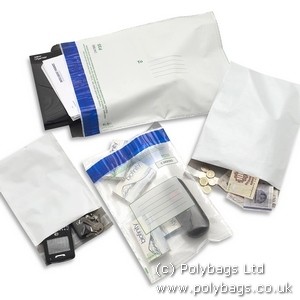
- Designed for postal or courier transport, mailing bags are light, waterproof and have an integral adhesive strip. Polybags stocked ranges cover economy and 'Tuff' mailers, mailorder and courier bags, tamper proof, bubble and even high impact metallic advertising mailers.